Understanding the Prophetic Books of the Catholic Bible and Their Significance in Daily Life

The prophetic books of the Catholic Bible hold a unique place in Scripture. They offer messages from God delivered through chosen individuals called prophets. These books not only reveal God's plans and warnings but also provide guidance and hope for believers today. Understanding these books helps us connect with God’s purpose for our lives and apply their lessons in daily living.
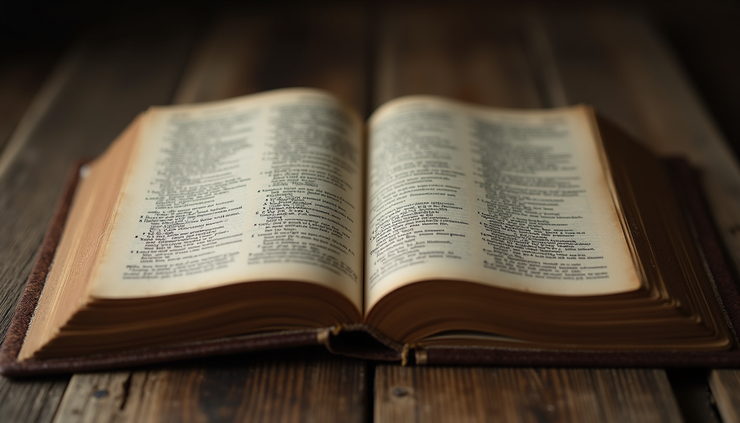
An open Bible showing the prophetic books, symbolizing divine guidance and wisdom.
The Prophetic Books in the Catholic Bible
The Catholic Bible includes several prophetic books, divided into the Major and Minor Prophets. These books contain the words and visions given to prophets who spoke on behalf of God to the people of Israel and Judah.
Major Prophets
Isaiah
Isaiah’s book contains powerful messages about justice, salvation, and the coming of the Messiah. It addresses both immediate concerns and future hope.
Jeremiah
Jeremiah warned about the destruction of Jerusalem due to the people's unfaithfulness but also spoke of a new covenant and restoration.
Lamentations
Traditionally attributed to Jeremiah, this book mourns the fall of Jerusalem and expresses deep sorrow and hope for renewal.
Baruch
Baruch, a scribe of Jeremiah, offers reflections on sin, repentance, and God’s mercy.
Ezekiel
Ezekiel’s visions include the glory of God, the fall and future restoration of Israel, and the promise of a new heart and spirit.
Daniel
Daniel contains stories of faithfulness in exile and apocalyptic visions about God’s ultimate victory.
Minor Prophets
The twelve Minor Prophets are shorter books but carry important messages. They include:
Hosea
Joel
Amos
Obadiah
Jonah
Micah
Nahum
Habakkuk
Zephaniah
Haggai
Zechariah
Malachi
Each prophet addresses specific issues like social justice, idolatry, repentance, and hope for God’s kingdom.
The Role of Prophetic Books in Daily Life
The prophetic books are not just historical records. They speak directly to our lives today, offering lessons and encouragement.
Guidance for Moral Living
Prophets often called out injustice, selfishness, and false worship. Their messages remind us to live with integrity, care for the vulnerable, and remain faithful to God’s commands. For example:
Micah 6:8 teaches us to act justly, love mercy, and walk humbly with God.
Amos 5:24 urges us to let justice flow like a river.
These calls challenge us to examine our actions and relationships daily.
Encouragement in Difficult Times
Many prophetic books were written during times of crisis—exile, war, or destruction. They offer hope that God remains present and will restore what is broken. Jeremiah’s promise of a new covenant (Jeremiah 31:31-34) reminds us that God’s love and forgiveness are always available.
This hope can sustain us through personal struggles, reminding us that setbacks are not the end of the story.
Understanding God’s Purpose for Humanity
The prophets reveal God’s plan for salvation and the coming of the Messiah, Jesus Christ. This helps us see our lives in the context of a larger divine story. We are called to live as God’s creation, reflecting His love and justice in the world.
By studying these books, we learn how to align our daily choices with God’s will, fulfilling our purpose.
Practical Ways to Apply Prophetic Teachings
Here are some ways to bring the prophetic message into everyday life:
Reflect on Justice
Consider how your actions affect others. Support causes that promote fairness and help those in need.
Practice Repentance
Regularly examine your conscience and seek forgiveness when you fall short.
Embrace Hope
In times of difficulty, remember the promises of restoration and renewal.
Live Humbly
Follow Micah’s advice to walk humbly with God, avoiding pride and selfishness.
Share the Message
Like the prophets, speak truth with love to encourage others toward faith and justice.
Examples from Daily Life
A teacher inspired by prophetic calls to justice might advocate for equal opportunities for all students.
A community volunteer may find strength in prophetic hope to continue serving despite challenges.
An individual facing personal failure can find comfort in God’s promise of forgiveness and new beginnings.
These examples show how the prophetic books are not distant texts but living guides.


Comments